- By odco
- July 2, 2026
- No Comments
ODCO’s Board of Directors: From a Support-Driven Approach to a Value-Creation Approach
ODCO is undertaking the transformation of its intervention model to make the cooperative sector a genuine driver of inclusive growth and territorial sovereignty
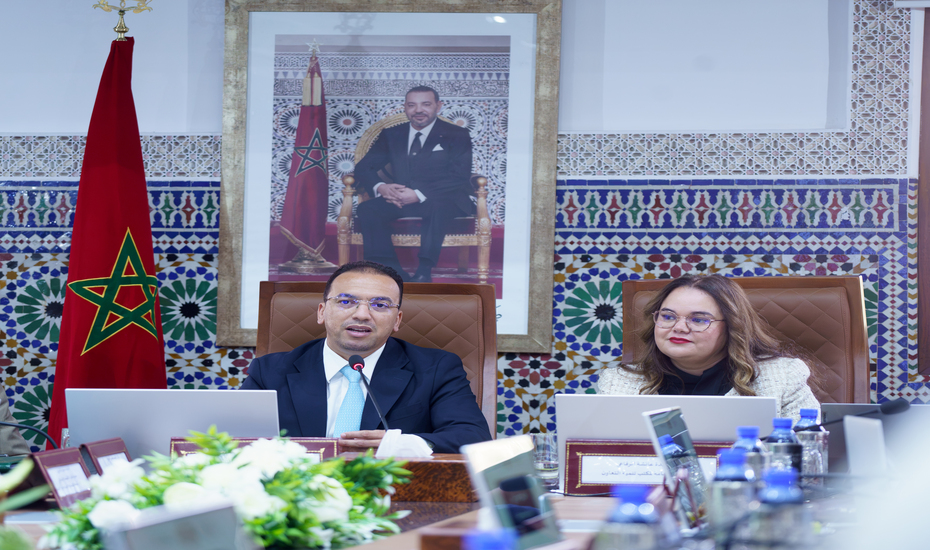
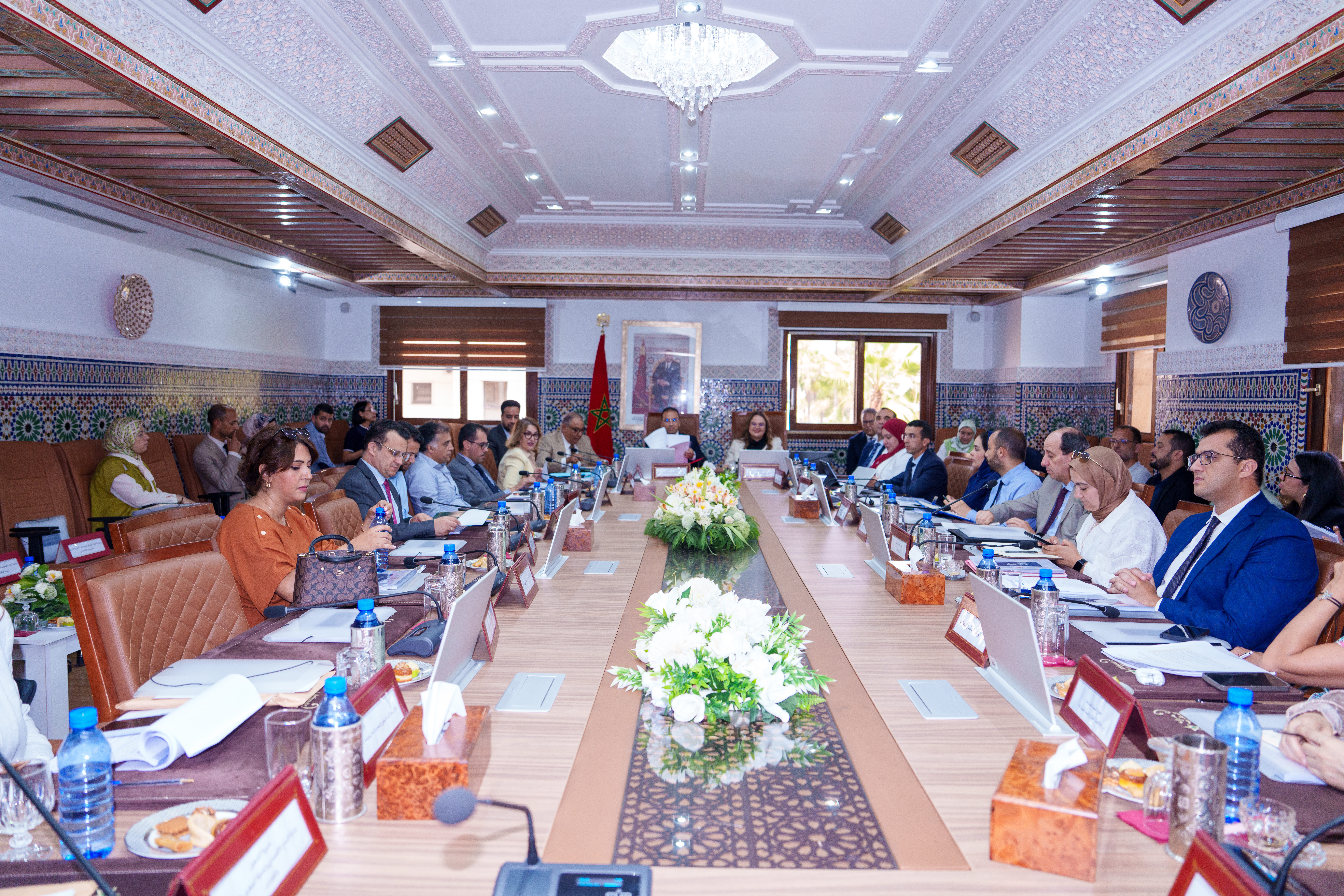
Meeting in Rabat under the chairmanship of Mr. Lahcen Es-Saady, Secretary of State in charge of Handicrafts and the Social and Solidarity Economy, the Board of Directors of the Office of Cooperation Development (ODCO) presented the first results of a major strategic shift: moving from a fragmented, action-based approach to a comprehensive transformation of the Office’s intervention model in support of cooperatives. The ambition is clear: to establish the cooperative sector as a structuring instrument of public policies for economic development, employment, and territorial cohesion.
A National Economic Lever with Untapped Potential
Beyond its social role, Morocco’s cooperative sector is increasingly establishing itself as a major economic driver—creating jobs and income, empowering women, and fostering the integration of young graduates into the labor market. “With an estimated contribution of nearly 3% of GDP and 5% of the active workforce, the cooperative sector holds far greater potential than its current economic contribution reflects. Bridging this gap underpins our national ambition: to increase the sector’s contribution to 8% of GDP and create 50,000 jobs annually by 2035. Achieving this scale requires a fundamental transformation of the support model,” stated Mr. Lahcen Es-Saady, Secretary of State in charge of Handicrafts and the Social and Solidarity Economy.
From Fragmented Support to Sustainable Value Creation
To realize this ambition, ODCO is moving beyond fragmented support mechanisms in favor of an integrated, impact-driven approach, underpinned by governance reform and a new generation of tools designed to inform and guide public policy.
Its Integrated Information System (IIS) generates strategic data to support evidence-based decision-making and identify territorial development gaps. The Cooperative Project Bank directs investment toward opportunities aligned with each region’s economic potential. Sijil Coop, a digital self-declaration platform currently being rolled out, streamlines and digitizes the cooperative registration process. The Marketplace provides cooperatives with direct access to markets, while Taawounya Academy strengthens their technical and entrepreneurial capacities.
Together, these tools form a coherent public value chain that supports cooperatives at every stage of their journey—from project conception to market access—creating a unified ecosystem for transformation.
“Our ambition is no longer simply to support cooperatives, but to transform the way ODCO serves them. We are moving from a support-based approach to a value creation model that is closer to women, young people, and territories, enabling cooperatives to become genuine engines of development,” said Ms. Aicha Errifaai, Director General of ODCO